Multi-element aerodynamics · Flow analysis
Rear Wing Development
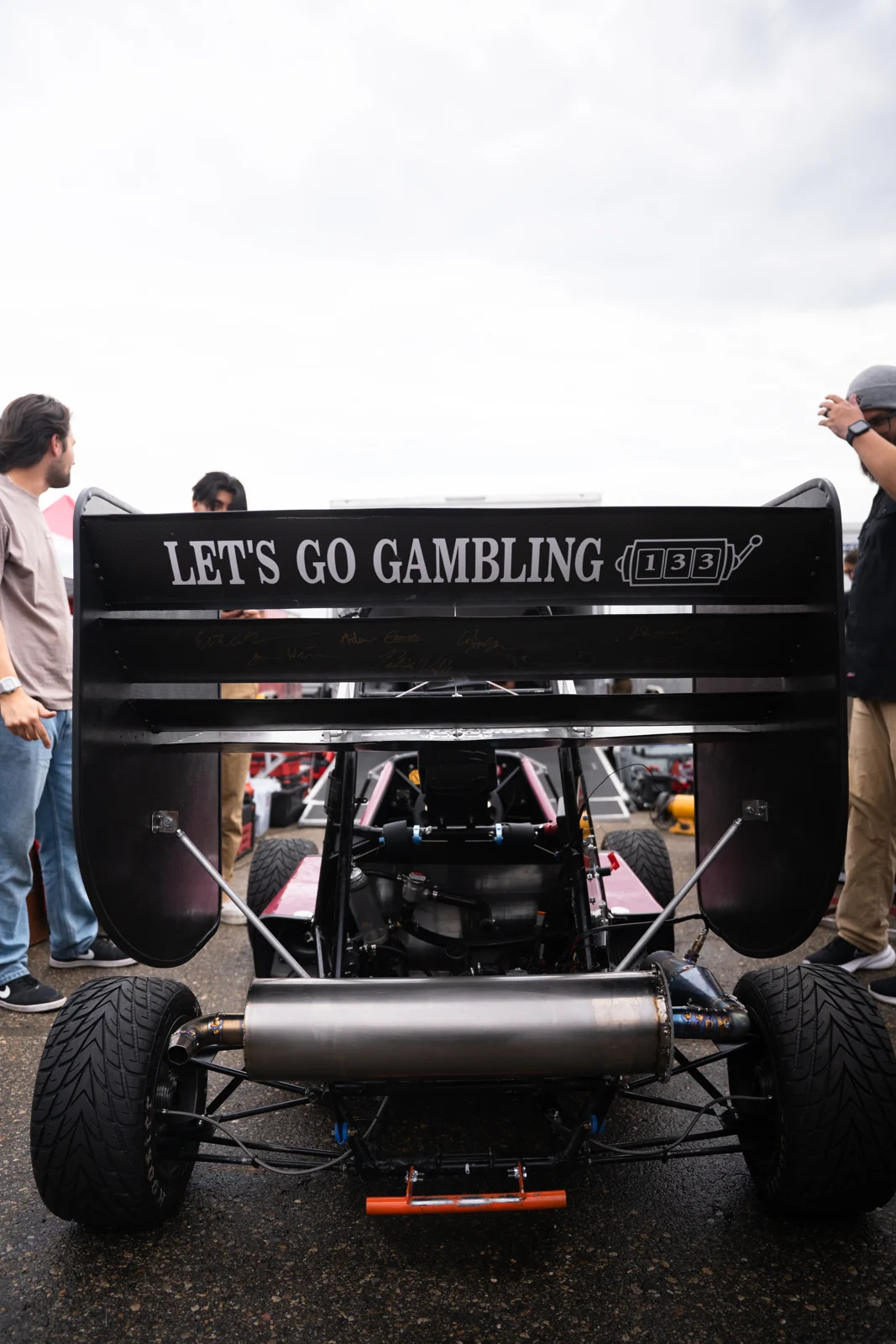
A more rigid hollow-shell rear wing, improved rib retention, and braced swan-neck mounts delivered by the aerodynamics section.
Overview
The 2026 Formula SAE rear wing addressed rib separation, flexible mounts, broken chassis tabs, and fractured secondary elements. I introduced the skeleton concept and led tooling, composite manufacturing, training, and design review; Carlos Medina Gutierrez led aerodynamic design, and Kinsly Burelson designed the mounts. Hollow shells, retained ribs, a center bridge, braced swan-neck mounts, and larger double-shear tabs improved structural continuity. The wing showed no observed rib pullout or excessive motion in practice. Rear-wing mass was not measured, and formal stiffness data are unavailable; further aerodynamic development and test documentation remain next steps.
My Contribution
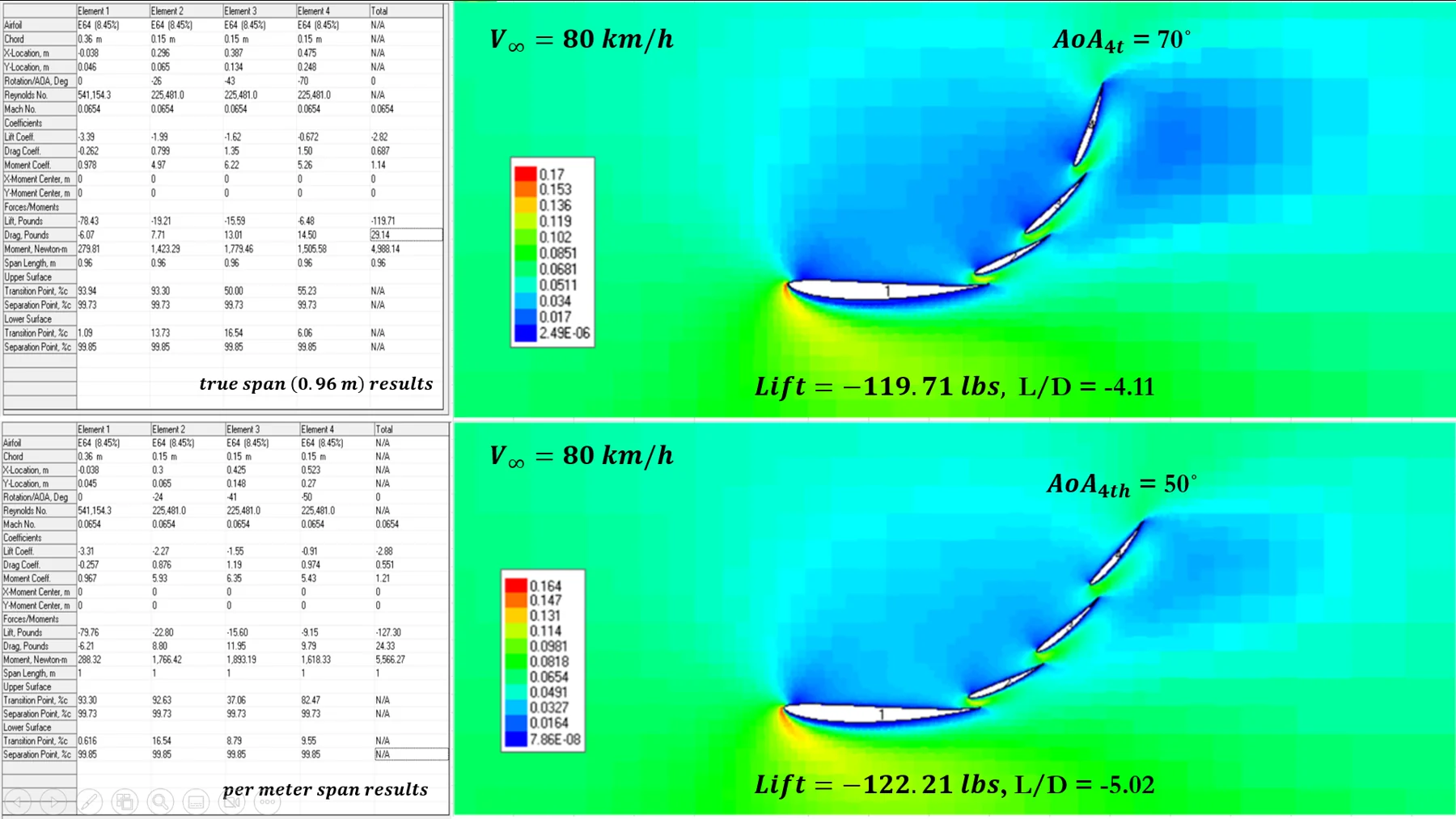
I introduced the skeleton concept and led mold tooling, composite manufacturing, team training, and design review. Carlos Medina Gutierrez performed all rear-wing aerodynamic analysis and design, including the supplied MeFoil iteration workbook and SimScale separation investigation. Kinsly Burelson designed the mounting; Carlos and Kinsly developed the detailed structure from the initial concept.
Engineering Approach
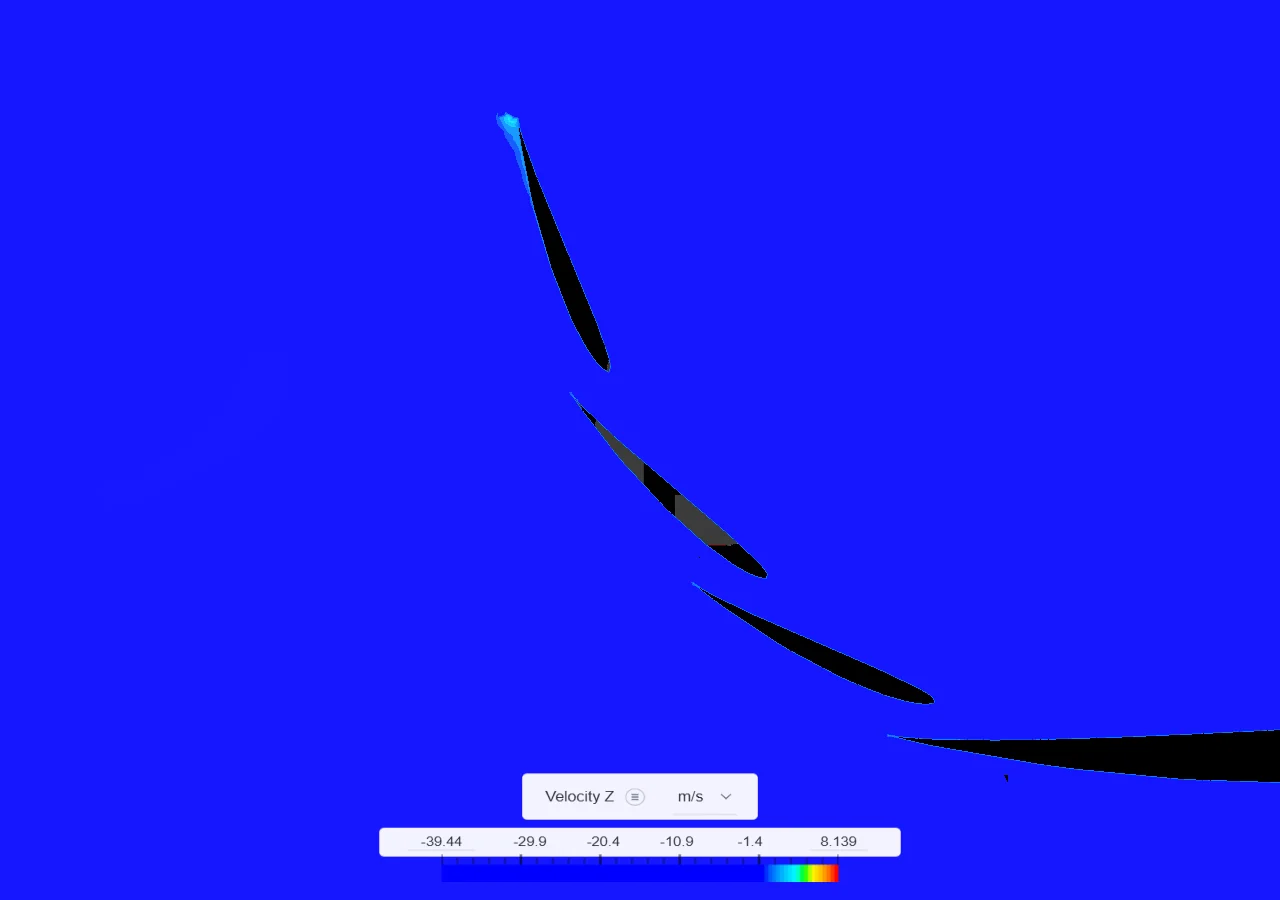
Hollow carbon shells, an aluminum main-element skeleton, mechanically retained ribs, and a center bridge improved structural continuity. The swan-neck trusses retain two lower support rods and use crossed steel cables for lateral restraint. The former two single-shear 1/16 in tabs were replaced by four 1/8 in tabs arranged in double shear. Carlos investigated reverse flow at the final element’s trailing edge and varied angle of attack, slot gaps, and placement; larger gaps and reduced secondary-element incidence helped the studied configurations.
Results & Current Status
During vehicle practice, the revised wing showed no observed rib pullout or excessive motion, and shaking it moved the car rather than the wing alone. These are operating observations with limited formal documentation. The driver estimated a 0.3–0.4-second practice skidpad improvement with the complete aeropackage; timing records were not retained. Rear-wing mass was not measured. The supplied specification sheet describes the full package, using estimated frontal reference area—not individual-wing coefficients.
Team Credits
Rear-wing aerodynamic analysis and design: Carlos Medina Gutierrez. Mounting design: Kinsly Burelson. Initial skeleton concept, section leadership, tooling and manufacturing lead: David Stout. Detailed skeleton development: Carlos and Kinsly. Fabrication: the aerodynamics section.
Next Steps
Project Images
Supporting Files & Model
- 3D visualization (download GLB)
- Rear-wing CAD assembly (download STEP)
- Rear-wing drawing set (download PDF)
- Carlos’s MeFoil iteration workbook (download XLSX)
- Whole-car aeropackage specification sheet (download XLSX)
The STEP download provides CAD geometry for inspection, measurement, and section views. It does not include the original SolidWorks feature history or mates.